Pharmacratic
Inquisition
Manifesto

The war on drugs, as practiced in the United States, constitutes a systematic violation of the Americans with Disabilities Act of 1990.

To arrest, prosecute, and incarcerate a person whose drug use is a direct consequence of an inadequately treated psychiatric disability is not justice. It is persecution. It is the modern iteration of an ancient cruelty: the punishment of the sick for being sick.

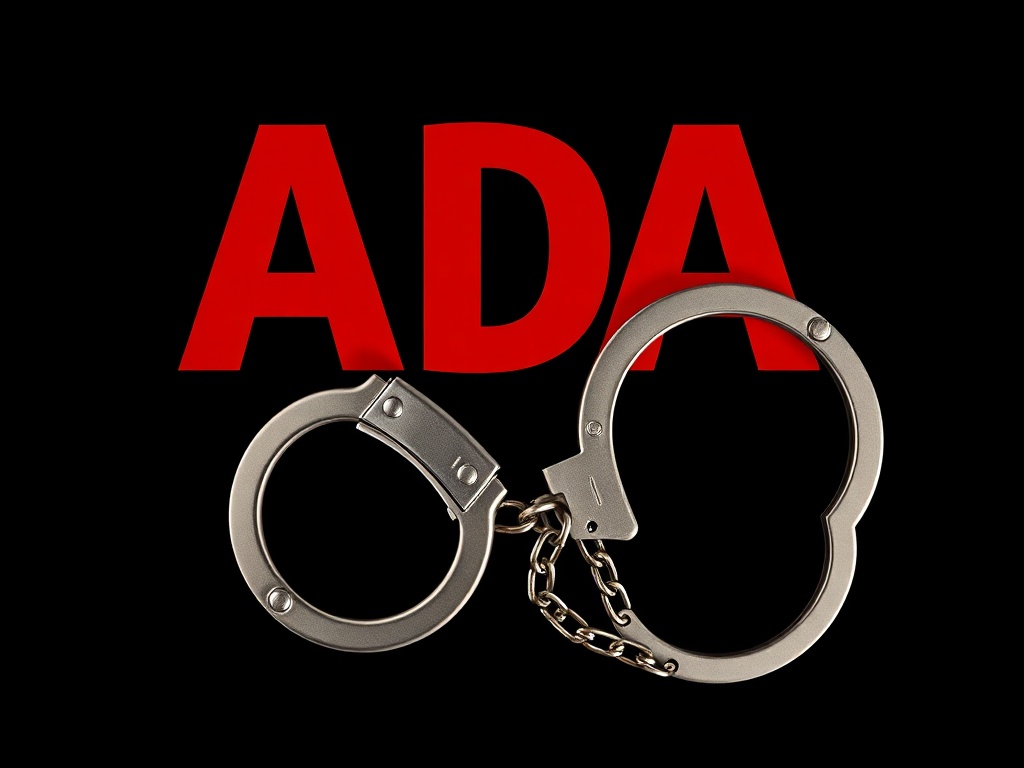
Broken prison bars transforming into ADA text symbolizing freedom and disability rights

The Core Argument

1

War on Drugs Violation

The systematic criminalization of drug addiction violates the Americans with Disabilities Act of 1990, which protects individuals with disabilities from discrimination.

2

Self-Medication, Not Criminality

When people with untreated psychiatric disabilities (depression, bipolar disorder, schizophrenia, PTSD, anxiety) use substances to manage symptoms that adequate medical care has failed to address, this is self-medication—a rational response to inadequate psychiatric infrastructure, not a criminal act.

3

Persecution Not Justice

Arresting and incarcerating individuals for drug addiction is persecution based on disability, not justice. These are medical issues requiring treatment, not criminal punishment.

"To arrest, prosecute, and incarcerate a person whose drug use is a direct consequence of an inadequately treated psychiatric disability is not justice."

It is persecution.

It is the modern iteration of an ancient cruelty: the punishment of the sick for being sick.

The Americans with Disabilities Act of 1990

Legal Foundation

The Americans with Disabilities Act (ADA) of 1990 is a landmark civil rights law that prohibits discrimination based on disability. It applies to all areas of public life, including jobs, schools, transportation, and all public and private places that are open to the general public.

The ADA defines disability broadly as a physical or mental impairment that substantially limits one or more major life activities. This includes substance use disorder, which is recognized by medical and psychiatric authorities as a treatable medical condition.

Key Protections

  • Protection from discrimination in employment, housing, and public services
  • Right to reasonable accommodations and equal access
  • Prohibition of prejudice, stereotypes, and unfair treatment
  • Mandate for treatment and recovery support services

The Discrimination Pipeline

The structure of discrimination is systematic:

  1. Society acknowledges mental illness is a disability
  2. Society fails to adequately fund psychiatric treatment, creating shortages of beds and medication access
  3. People with mental illness, unable to access adequate care, turn to substances for symptom relief
  4. Society criminalizes the possession and use of those substances
  5. People with mental illness are arrested, prosecuted, and incarcerated at disproportionate rates

This is not a policy failure. It is a pipeline. And it violates the ADA by punishing disabled people for the predictable consequences of a system that refuses to serve them.

Human Impact & Persecution

⛓️

Incarceration as Cruelty

Incarcerating a person for drug use alone—for the act of introducing a substance into their own body—meets any reasonable definition of cruelty under the Eighth Amendment. It does not treat addiction, deter drug use, or serve justice.

Destruction of Life Chances

Incarceration disrupts employment, housing, and family connections—the very stabilizing factors that support recovery. A permanent criminal record forecloses future opportunity and violates disability accommodation rights.

🧠

Worsening Psychiatric Conditions

Incarceration subjects people with mental illness to environments that exacerbate their conditions—overcrowding, violence, solitary confinement, and medication disruption.

💀

Overdose Death Upon Release

Incarceration reduces tolerance while drug supply remains of unknown potency post-release. This creates deadly conditions for people returning to communities with untreated addiction.

🏛️

Funding Crisis as Human Rights Violation

Jails and prisons have become the largest providers of psychiatric care in the country—a symptom of deliberately inadequate mental health funding while criminal enforcement budgets expand.

🔬

Pharmaceutical Industry Profit Motive

The criminalization of unpatentable molecules (cannabis, psilocybin, kratom) while patented alternatives enjoy FDA approval and insurance coverage reveals the Pharmacratic Inquisition as a business model, not medical policy.

A Path Forward

Federal Decriminalization

Personal possession (up to ten-day supply) becomes a civil, not criminal, matter. Police encounters generate mandatory referral to community-based assessment and treatment, not arrest.

ADA Enforcement

Recognize that drug use by people with documented psychiatric disabilities functions as self-medication. Address the underlying disability before punishment is imposed.

Massive Treatment Investment

100,000+ additional psychiatric inpatient beds and proportional expansion of outpatient and residential addiction treatment facilities, funded by redirecting enforcement spending.

Safe Supply Programs

Implement pharmaceutical-grade safe supply access under medical supervision to eliminate poisoning deaths, reduce black market crime, and bring people into contact with healthcare.

Behavioral Accountability

Prosecute harmful behavior (violence, impaired driving, neglect)—not substance use. Hold people accountable for what they do, not what they take.

Evidence-Based Scheduling

Remove barriers to research on Schedule I substances with therapeutic potential. Fast-track rescheduling of psilocybin, MDMA, and compounds with clinical evidence of medical use.

Read the Full Manifesto

The full Pharmacratic Inquisition Manifesto contains detailed legal analysis of ADA violations, evidence-based arguments from psychiatry and pharmacology, documented history of the war on drugs, and a comprehensive framework for policy transformation rooted in human rights and medical evidence.

"The mentally ill of this nation deserve better. The addicted deserve better. The human beings sleeping on sidewalks and dying in cells deserve better. It is time to stop the war on the most vulnerable among us and start the work of actually helping them."
Read the Full Manifesto

About This Movement

The Central Thesis

The War on Drugs, as practiced in the United States, selectively criminalizes the survival behaviors of people living with mental illness—people who, in the absence of adequate psychiatric care, turn to the only pharmacological relief available to them. This constitutes systematic violation of the Americans with Disabilities Act of 1990.

Mental Illness, Not Criminality

We recognize that mentally ill people who use substances are patients, not criminals. When a person with untreated depression uses psilocybin, when a veteran with PTSD uses cannabis, when someone with chronic pain uses kratom—these are rational pharmacological decisions made by suffering people in a system that has failed them.

As Paracelsus established five centuries ago: "All things are poison, and nothing is without poison; the dosage alone makes it so a thing is not a poison." The distinction between "medicine" and "drug of abuse" is political and economic, not pharmacological.

Evidence & Solutions

Portugal decriminalized personal drug possession in 2001. Two decades later: drug-induced death rates among Europe's lowest, significant reductions in HIV transmission, increased treatment uptake, and no increase in overall drug use. The evidence is clear. The path is proven. Now we must choose: continue punishment, or choose healing.